
A vacant house is the cleanest distress signal I know. Nobody lets a property they care about sit empty with the grass past their knees and the mail piling up. When a building goes vacant and stays vacant, the owner has usually checked out, financially or otherwise, and that is the owner who takes your call.
The problem is that no county office hands you a tidy vacant property list. You have to assemble one. The upside: the raw material is public record, it is free, and most investors never bother to pull it together.
A vacant property list is a set of addresses where the building appears unoccupied, built from public signals like code-enforcement vacant-building cases, utility shutoffs, tax delinquency, and postal vacancy data. No single agency publishes "the vacant list." You build it by pulling the sources that each capture a piece of vacancy, then stacking them into one list you can actually work.
Why a vacant property is worth chasing
A vacant building bleeds money. Taxes, insurance, and code fines keep stacking up while the property earns nothing. In Seattle, an owner in the city's Vacant Building Monitoring Program pays for inspectors to come check the place on a schedule. That is an owner paying to be reminded of a problem they can't or won't fix.
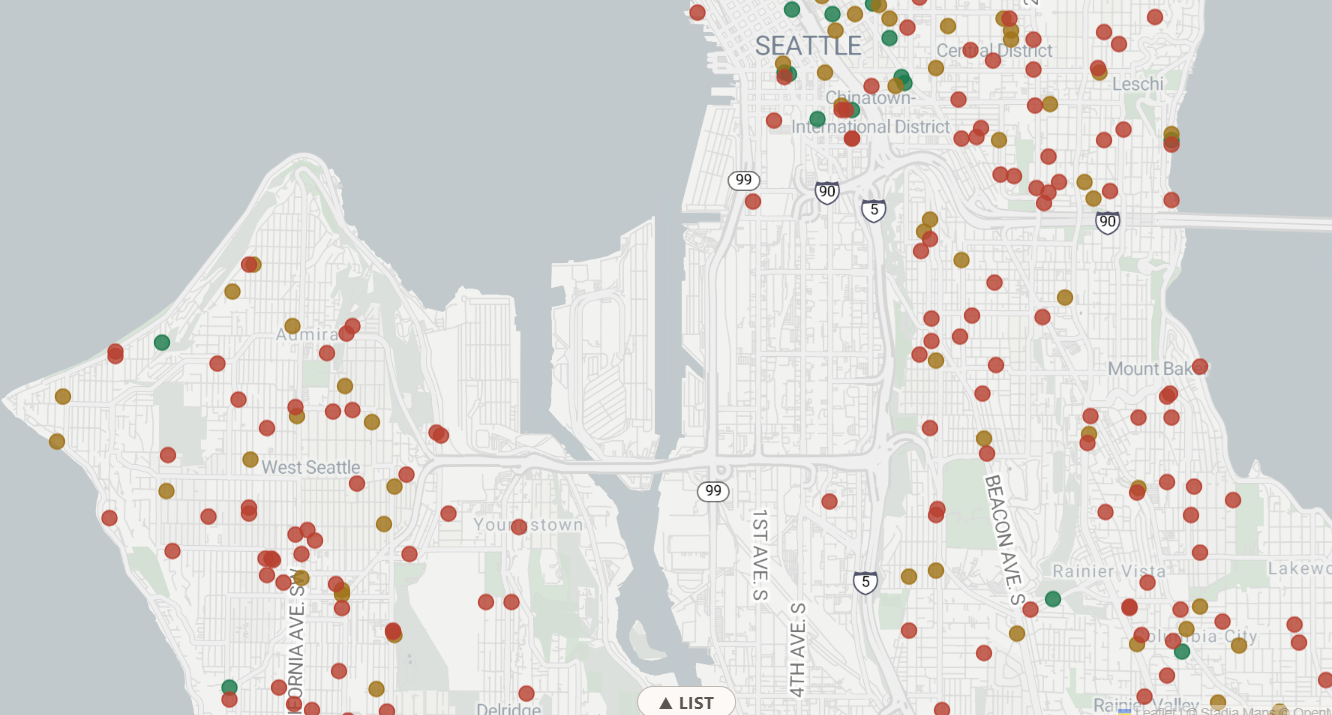
Right now Seattle has more than 13,000 open code violations across roughly 9,500 properties. Around 500 of those are open vacant-building cases. Those 500 are the first list I pull every week, because vacancy plus an open city case is about as motivated as a seller gets before anything hits the foreclosure docket.
Where vacancy shows up in public records
Five sources, strongest first. None of them require a license to read.
1. Code-enforcement vacant-building cases
The strongest signal, and the one I lead with. When a building sits empty long enough to draw complaints, the city opens a vacant-building case, often with an emergency or unsafe-structure order stacked on top. That case is public and it is dated, so you see the distress the moment it appears.
Most large cities publish this through an open data portal. Seattle posts its SDCI cases on data.seattle.gov, refreshed daily. The record gives you the address, the case type, and the status. It usually does not give you the owner or a way to reach them, which is a separate step below. Which case types carry the most weight is broken down in the building and housing code violations guide, and if you are wondering whether any of this is fair game to use, yes: code violations are public record.
2. Utility shutoffs and water disconnects
A house with the water shut off for months is almost certainly empty. Utility districts hold disconnect records, and in many places you can request them. This one takes more work, usually a public records request rather than a clean portal download, but a long-term disconnect is a high-confidence vacancy flag that almost nobody pulls.
3. USPS vacancy data
The Postal Service tracks addresses where mail has stopped being collected. You can't download it directly, but data vendors resell the USPS vacancy indicator. It is one of the cleaner "is anyone actually living here" signals you can buy.
4. Tax-delinquent and vacant overlap
Vacancy plus unpaid property taxes is a stacked signal, not a single one. County treasurers publish delinquent-tax lists, usually once a year before the tax sale. Match those against your vacant-building cases and the overlap is a short, potent list: nobody living there, and the bills going unpaid.
5. Long-dormant permits and registrations
A property with no permit activity for years, no active utility account, and a lapsed rental registration is quietly telling you it is empty. This is the slowest layer to assemble and the least picked over, which is exactly why it is worth the effort.
Vacant-signal sources at a glance
| Source | What it tells you | Free at source | Effort |
|---|---|---|---|
| Vacant-building cases | City has an open case on an empty building | Yes | Low (open data portal) |
| Utility shutoffs | Water or power off for months | Usually | High (records request) |
| USPS vacancy | Mail delivery has stopped | No (vendor) | Low |
| Tax delinquency | Property bills going unpaid | Yes | Medium |
| Dormant permits and registration | No activity for years | Yes | High |
Turning a vacant list into owners you can contact
A vacant-building case gives you an address, not a person. To reach the owner, pull the county parcel record. In King County that is the Parcel Viewer: type the address and you get the taxpayer of record, their mailing address, and the assessed value. When the parcel record comes back stale or empty, there is a second free record to work: the step-by-step for finding the owner of a vacant house goes after the city's own case file next.
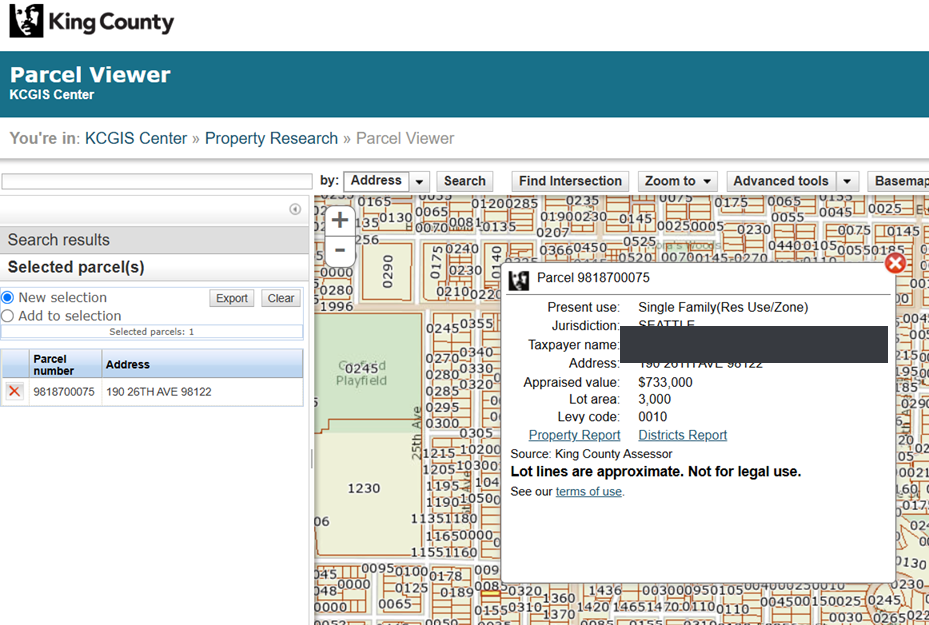
If the mailing address is different from the property address, you are looking at an absentee owner, which is exactly who you want on a vacant list. From there you skip trace for a phone number and start outreach. The order I run it:
- Pull the week's new vacant-building cases from the city portal.
- Match each address to its parcel record for the owner and mailing address.
- Flag the absentee owners, where the mailing address differs from the property.
- Overlay tax delinquency where you can, to rank the list.
- Skip trace the top of the list, then mail or call.
One flag is a start, stacked flags are a lead
The visual cues of a distressed property are worth knowing here, because a drive-by is how you confirm a vacancy the records only imply. A single vacancy signal is a maybe. Vacant plus absentee owner plus two years of unpaid taxes is a conversation worth having. Stacking independent distress signals is the whole game, and it is what the how to find distressed properties playbook walks through end to end. A vacant property list is one of the strongest layers you can add to that stack.
That stacking and address-matching is the tedious part, and it is what I built FlaggedLeads to handle for Seattle. It reads the city's violations every morning, flags the vacant cases, and pulls owner data, so the list builds itself. For the broader, free-first view of where these lists come from, see distressed property list: where to find one free. The free Seattle map shows where the vacant cases sit right now.
Frequently Asked Questions
How do I find a list of vacant properties?
You build it from public records. Start with your city's code-enforcement vacant-building cases, usually on an open data portal, then layer in utility shutoffs, USPS vacancy data, and tax delinquency. No single office publishes a finished vacant list, so the work is pulling the sources and matching addresses into one list.
Are vacant property lists free?
The core sources are. Code-enforcement cases and tax-delinquency lists are free at the city and county. USPS vacancy data is resold by vendors for a fee. The real cost is your time assembling and cross-referencing, which is the reason these leads stay less picked over than a bought list.
How can I tell if a property is actually vacant?
No single record proves it, so you stack signals. An open vacant-building case plus a long utility shutoff plus a USPS vacancy flag is about as sure as you get without going there. A quick drive-by or Street View check confirms the strongest candidates before you spend money on mail.
What is the best data source for vacant properties?
Code-enforcement vacant-building cases. They are free, dated, updated daily in cities with open data, and they arrive with a distress signal already attached: the city has flagged the property as a problem. Everything else is a supporting layer on top of that.
Can I get a vacant property list for my city?
If your city publishes code-enforcement data, yes. Seattle, Chicago, Philadelphia, Los Angeles, and New York all do. Smaller cities may make you file a public records request. FlaggedLeads assembles the list automatically for Seattle today, with more cities rolling out.